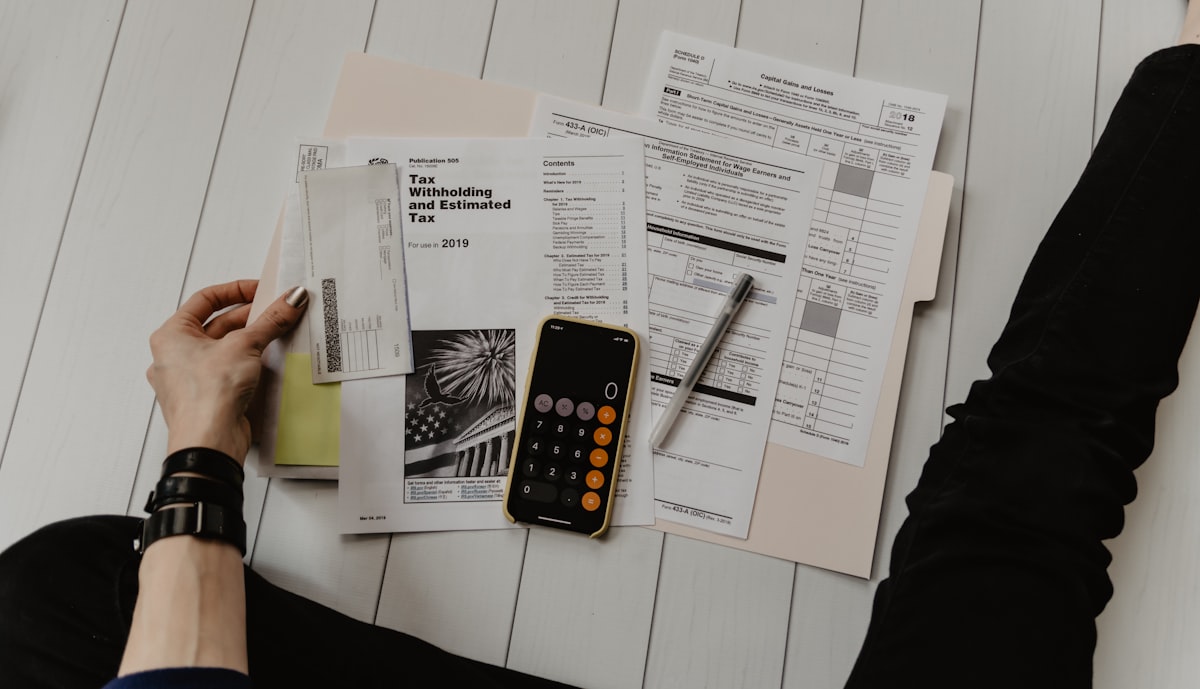
Your Invisible Partner: The State and Financial Responsibility
The dream of every professional entering the freelance world is to wake up without alarms and work from anywhere. However, this dream can turn into a harsh reality when the first large payment hits your bank account and you receive a notice from the tax office. In 2026, in a global order where financial transparency has reached its peak, trying to keep your earnings "off the books" is not only risky but also the biggest obstacle to growing your business. For a professional freelancer, paying taxes is not a burden but the first step toward gaining legitimacy in the global market. Benefiting from young entrepreneur exemptions in your own country or evaluating e-residency models offered by countries like Estonia moves your business from a local endeavor to an international operation.
The Incorporation Process: From Sole Proprietorships to Global Limited Structures
The question that arises when things scale is always the same: "When should I incorporate?" If your annual income exceeds a certain threshold and you have started working not just for individual clients but for corporate giants, adopting a corporate identity is a necessity. Incorporating doesn't just give you the authority to issue invoices; it also allows you to deduct operational expenses from your taxes. From your computer to your internet bill, and even the part of your home used as a workspace, every item is actually part of your business. In 2026, this process has become much more fluid for freelancers using payment gateways like Payoup. Being able to automatically invoice every payment received and synchronize this data with your accounting software saves you from hours of Excel spreadsheets. Financial automation is the greatest gift a freelancer can give themselves because it allows you to focus on your actual work—your creativity.
Financial Security and Future Planning
We have to think not just about today, but also about tomorrow. Retirement and health insurance, the subjects most neglected by freelancers, are vital in the uncertain economic climate of 2026. Regularly paying your own insurance premiums and automatically transferring a portion of your earnings to investment funds is the greatest discipline brought by "free" work. Escrow processes in the Payoup system, where money is kept safe, make your cash flow predictable. In a scenario where cash flow is predictable, you don't leave tax planning to the last minute; you build your strategy at the beginning of the year. Remember that no matter how well you do the best job in the world, if your financial infrastructure is rotten, your career can collapse in a crisis. Complying with the law does not slow you down; on the contrary, it speeds you up in the global arena and makes you a reliable partner in the eyes of large-scale investors or clients.
Conclusion: The New Standard of Professionalism
To sum up, in 2026, a successful freelancer is someone who manages their business not just like a hobby, but like a CEO. Optimizing tax strategies, working with the right legal advisors, and integrating financial technologies (Fintech) into your workflow sets you apart. Legal transparency combined with the secure infrastructure offered by Payoup turns your career from just a "job" into a saleable "value." The future belongs not just to the talented, but also to those with high financial literacy.